![[HERO] After the Loss: The Documentation Checklist That Protects Your Insurance Claim (and Your Board)](https://cdn.marblism.com/U2n2Hbrj8oN.webp)
The difference between a paid claim and a coverage dispute often comes down to one thing: documentation gathered in the hours or days following the loss.
When water is pouring through the ceiling or wind has torn off half the roof, your immediate focus is mitigation and safety….which makes sense. But those first critical hours may also determine whether your association can prove the extent of the damage, justify the claim value, and defend against any coverage challenges that follow.
The First 24–48 Hours: Document Everything Before It Changes
Your property is in its most damaged state right now. That sounds obvious, but here’s what happens: mitigation crews arrive, debris gets hauled away, water gets extracted, and suddenly your best evidence of the loss has disappeared.
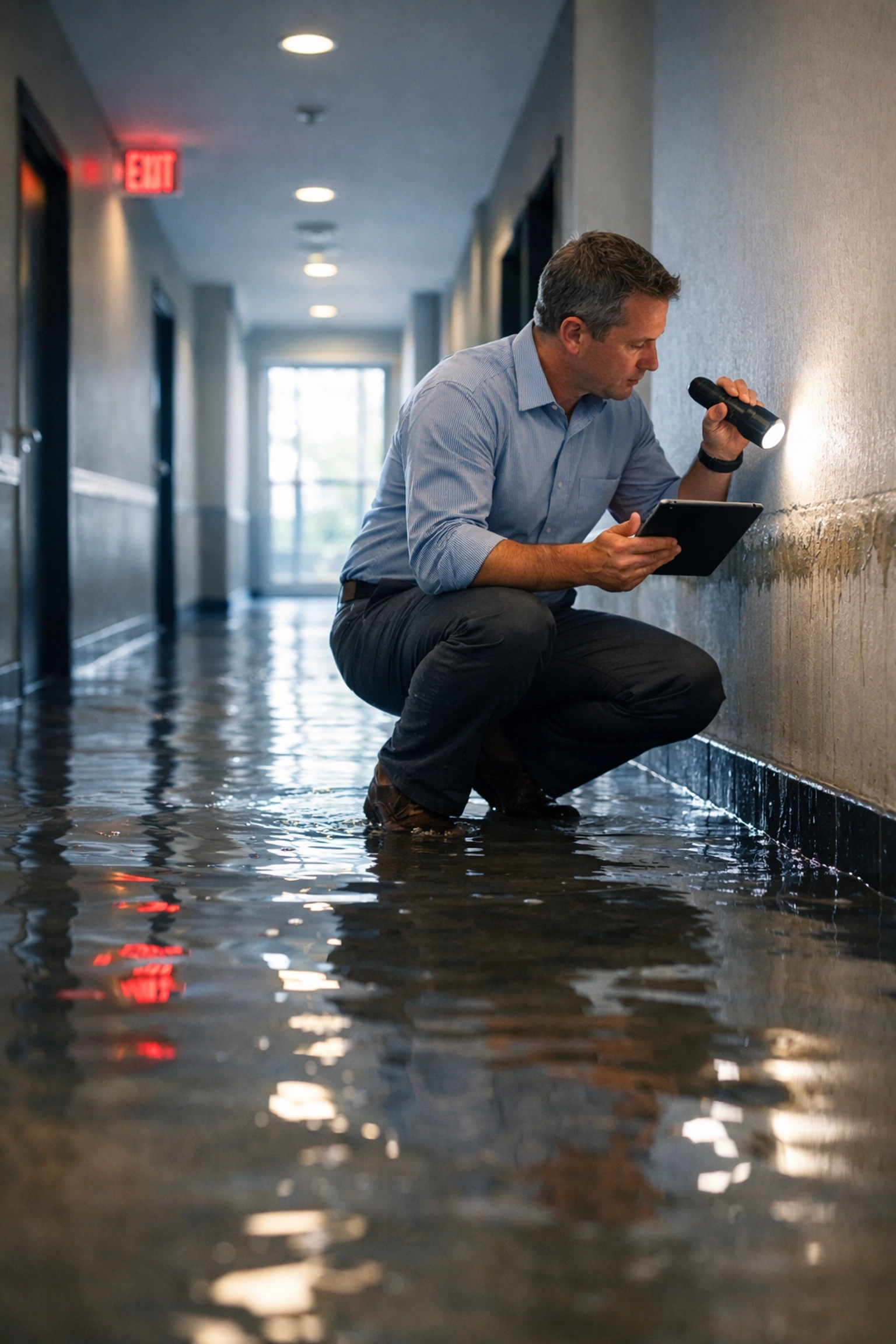
Immediate documentation priorities:
- Notice to your carrier – Submit notice of the loss within hours, not days. Your policy likely requires “prompt” notice. That word has legal meaning.
- Initial damage assessment – Walk the property with your professionals and document visible damage in writing. Note date, time, weather conditions, and who’s present. Make sure your professionals have been instructed to document; no…make sure they have been instructed to over-document… This becomes your baseline.
- Emergency mitigation tracking – Log every emergency service you authorize. Who you called, when they arrived, what they did, and what it cost. Your carrier pays for reasonable mitigation, but you need proof it was both necessary and reasonable.
- Owner communications – Start a dedicated email thread or log for every communication about the loss. Date, time, subject, response. If owners report interior damage, document those reports immediately.
The adjuster probably won’t arrive for days or even weeks. The claim file you’re building now is the only record of how things actually looked at the moment of loss.
NOTE: THE URGENCY HERE DOES NOT MEAN YOU SHOULD SIGN WHATEVER CONTRACT IS PUT IN FRONT OF YOU BY A VENDOR. THERE IS TIME FOR COUNSEL TO REVIEW MITIGATION CONTRACTS. IF THIS LESSON WAS NOT CLEAR BEFORE, IT CERTAINLY IS NOW IN THE WAKE OF HURRICANE HELENE AND HURRICANE MILTON (source: see the number of overcharges and liens that have stemmed from poorly reviewed, post-storm contracts).
Photos and Video: Your Most Powerful Evidence
Visual documentation isn’t optional anymore. It’s the foundation of your claim. But there’s a protocol that matters: take photos and video wrong, and they lose credibility fast.
The protocol:
Your community’s retained professions should make an effort to take videos and videos under the following, general guidelines:
- Multiple angles of every damaged area – Wide shots for context, close-ups for detail. Don’t just photograph the obvious damage. Document surrounding areas that show the progression and extent.
- Time and date stamps – Use the native camera app with location services enabled. The metadata matters if anyone questions when or where photos were taken.
- Video walkthrough – Narrate as they go. Describe what they are seeing, why it’s significant, and what areas you’re documenting. This provides context photos alone can’t capture.
- Document depth and severity – Water damage? Show water lines on walls. Show saturation in carpets and drywall. Storm damage? Photograph debris fields, material failures, and entry points. Fire or smoke? Document the spread of damage.
- Chain of custody – Keep all photos and videos in one secure location. Cloud storage with timestamps and access logs. If your claim becomes the subject litigation, you may need to prove these images were not altered or taken out of sequence.
Think like you’re building evidence for trial…because you might be.
Mitigation vs. Preservation: The Tension You Must Navigate
Here’s the problem: your policy requires you to mitigate damage immediately. But aggressive mitigation can destroy evidence of how the loss occurred and how far it spread.
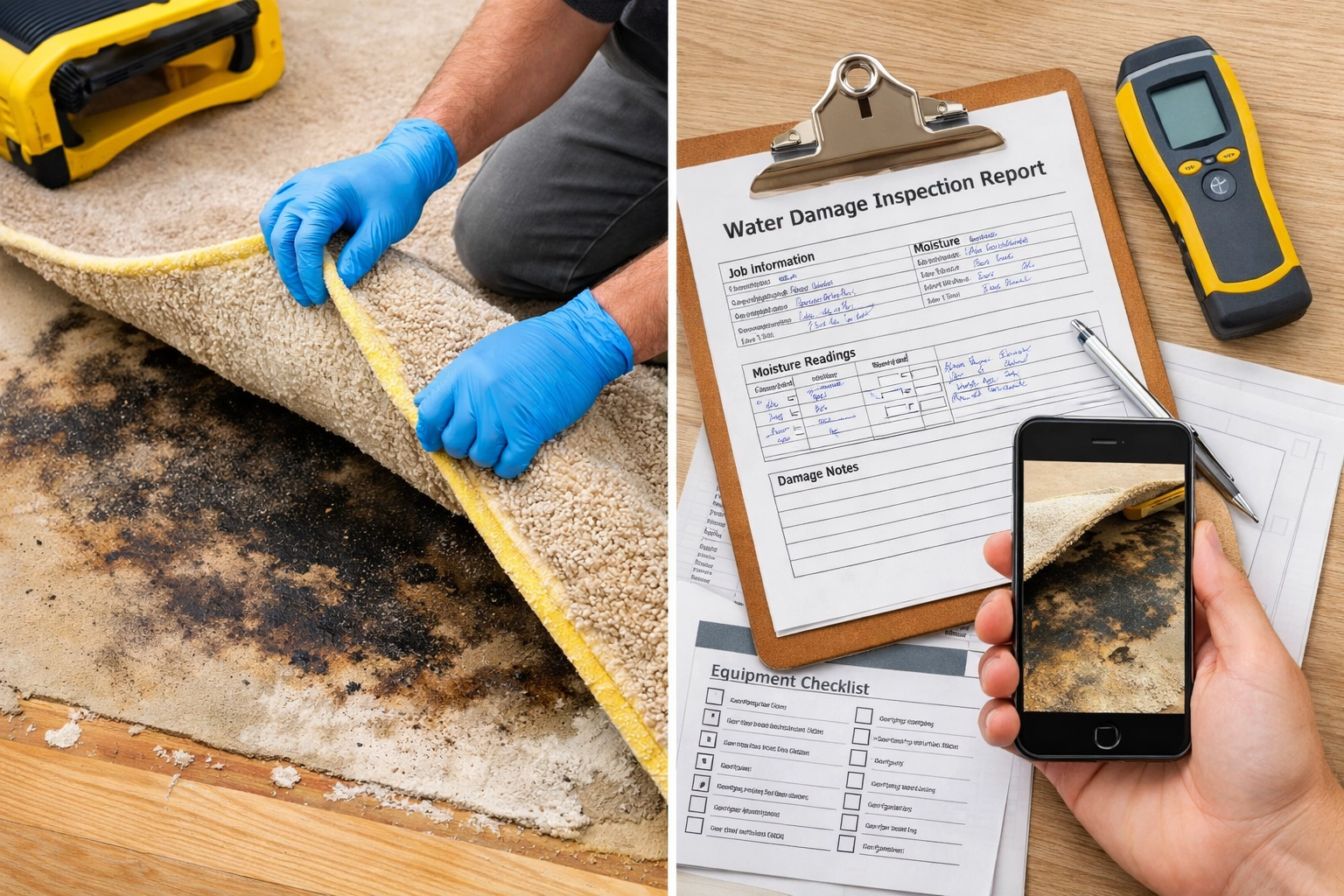
Navigate this tension:
- Photograph before mitigation begins – Before the water extraction team pulls up wet carpet, document it. Before tarps go on the roof, photograph the holes.
- Preserve samples – When damaged materials must be removed, save representative samples. Burned drywall, saturated insulation, failed roofing materials. Label them, date them, store them.
- Don’t over-mitigate – Do what’s necessary to prevent additional damage. Don’t do more. Your carrier covers reasonable mitigation costs, but there’s a limit. Every dollar you spend needs documentation showing it was necessary.
- Get counsel involved early – The line between preventing or mitigating further damage and preserving evidence can be thin. Be sure to discuss the scope of any proposed work with your legal counsel before the work begins.
The key: mitigation protects the property. Documentation protects the claim.
Vendor Invoices, Daily Logs, and Owner Communications: Build the Paper Trail
Insurance adjusters don’t just want proof of damage. They want proof of every dollar you’re claiming. That means tracking everything as it happens: not trying to reconstruct it weeks later.
What to track daily:
- Vendor invoices and contracts.
- Daily activity logs.
- Material costs.
- Owner damage reports.
Proof of Loss Support Documents: What Your Carrier Actually Requires
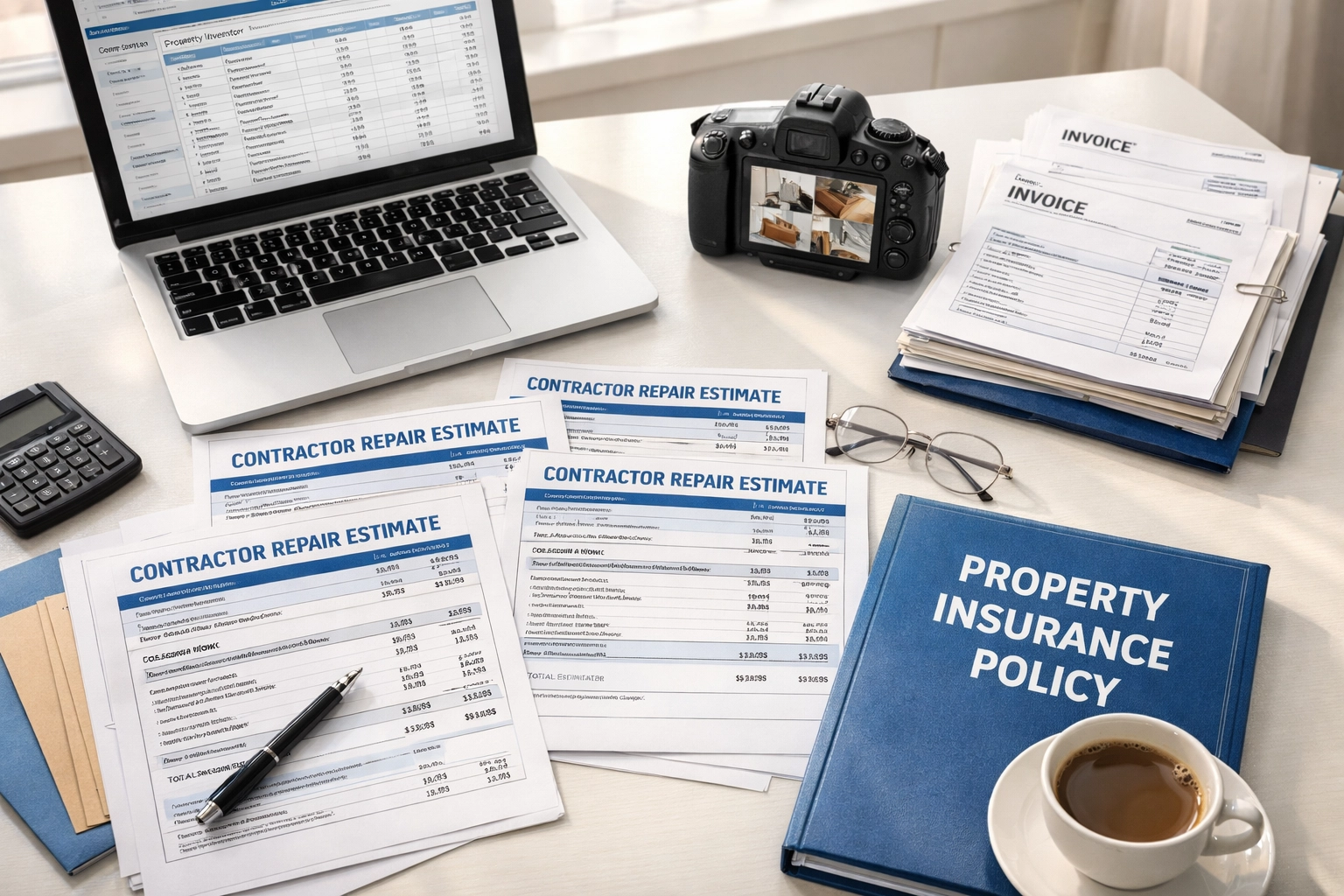
The Proof of Loss form is your formal claim submission. It’s typically due within 60 days of the loss, though your policy may specify a different deadline. The Proof of Loss isn’t just a form. It’s a sworn statement. Everything you claim needs backup. Everything.
Common Mistakes That Cause Delays, Disputes, and Denials
We see the same errors in claim handling that turn straightforward property claims into coverage battles:
Mistake 1: Delayed reporting – Your policy requires prompt notice. Waiting days or weeks to report gives the carrier ammunition to question whether the damage happened how you say it did.
Mistake 2: Undocumented mitigation – You spent $50,000 on emergency services but kept sloppy records. Reimbursement just became more complicated.
Mistake 3: Incomplete damage assessment – You documented the obvious damage but missed the full extent. Months later, you discover additional damage and the carrier claims it’s from a different cause or outside the claim period.
Mistake 4: Poor vendor documentation – You hired contractors without written agreements. Their invoices are vague. Their work may have been necessary, but proving it now is nearly impossible.
Mistake 5: No legal review before settlement – Make sure you understand the value of your claim and your legal options before you accept a settlement.
Each mistake is fixable if caught early.
Help From Day One
Property loss claims are complex, time-sensitive, and high-stakes. The documentation you gather in the first 48 hours can impact the outcome months later.
- After the Loss: The Documentation Checklist That Protects Your Insurance Claim
- Material Alterations: Florida Condominium Law
- Official Records Inspections – can my association limit owners to one inspection per month?
- Condominium and Cooperative Associations: DBPR Registration Deadline is December 31, 2025
- Official Records: What Condominium Associations Need to Know About Affidavit Requirements in 2025